Before the Spring Rains Hit: Foundation & Drainage Checks for NC Homes
While February may still feel like winter, North Carolina homeowners know what’s coming next: spring rain. From March through May, frequent rainfall and saturated ground conditions can quickly expose foundation, crawl space, and drainage issues that stayed hidden during colder months.
The good news? A little preparation now can prevent costly damage later. Here’s what North Carolina homeowners should check before spring rains arrive.
Why Spring Rain Is a Problem for NC Homes
North Carolina’s climate and soil conditions create a perfect storm for moisture-related foundation issues:
- Above-average spring rainfall
- Clay-heavy soil that drains slowly and holds water
- Crawl spaces common in many NC homes
- Rising groundwater levels in certain areas
When the ground becomes saturated, water pushes against foundation walls and seeks the path of least resistance—often into crawl spaces, basements, or along the foundation itself.
Common Warning Signs to Watch For
Even small issues can become major problems once spring rain begins. Homeowners should keep an eye out for:
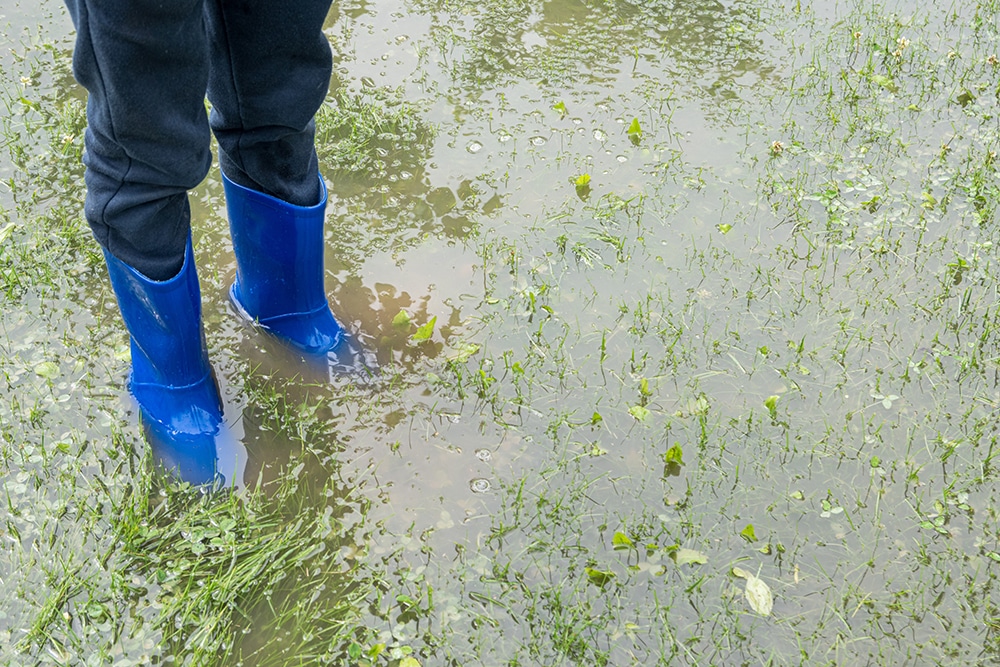
- Water pooling near the foundation
- Damp or muddy crawl spaces
- Musty odors inside the home
- White, chalky residue (efflorescence) on foundation walls
- Sump pumps running constantly—or not turning on at all
- Increased indoor humidity or early mold growth
If you notice any of these signs now, it’s a strong indication your home may struggle once heavier rain sets in.
Why Drainage Matters More Than You Think
Many homeowners assume foundation problems start inside the home—but exterior drainage is just as important.
Proper drainage helps:
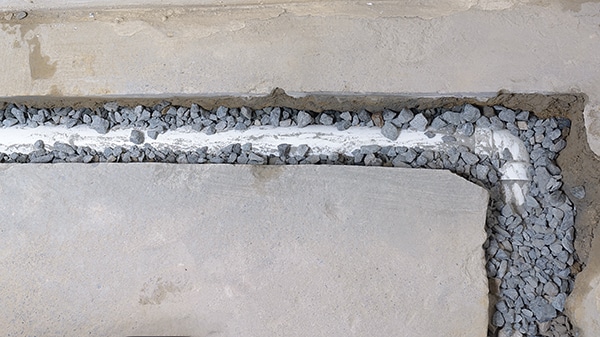
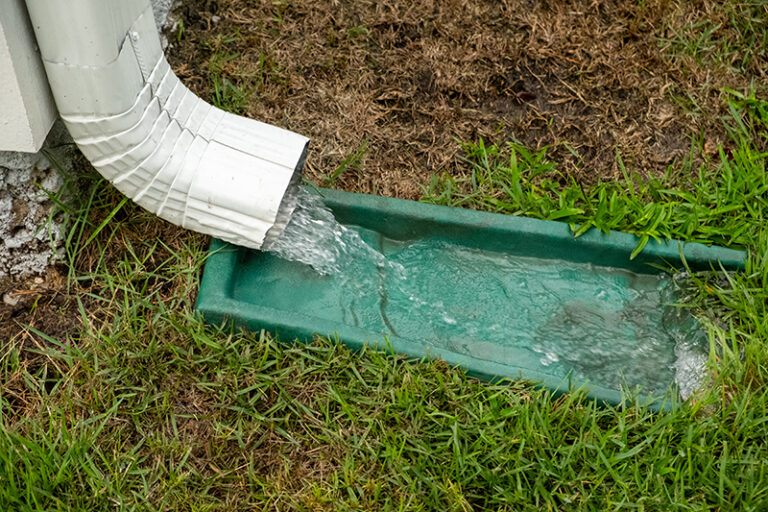
- Move water away from the foundation
- Reduce hydrostatic pressure on foundation walls
- Prevent erosion and soil shifting
- Protect crawl spaces and basements from moisture intrusion
Without adequate drainage, even a well-built foundation can develop cracks, moisture problems, and long-term structural issues.
Do You Need a Sump Pump?
Not every North Carolina home needs a sump pump—but many benefit from one, especially if:
- Your crawl space or basement sits below the surrounding ground level
- You’ve experienced water intrusion during heavy rain
- The water table is high in your area
- Drainage alone isn’t enough to manage groundwater
A properly installed and maintained sump pump can be a critical line of defense during spring storms—but it needs to be inspected before it’s truly needed.
Why Late Winter Is the Best Time to Prepare
Waiting until spring rain starts often means:
- Emergency repairs
- Higher costs
- Limited contractor availability
By checking your foundation and drainage system before the rainy season:
- Small issues can be addressed early
- Preventative solutions are more affordable
- You avoid stress during peak storm periods
February and early spring are ideal times for inspections and planning.
Get Ahead of Spring Moisture Problems
Spring rain is unavoidable—but foundation damage doesn’t have to be.
If you’re unsure whether your home is ready for North Carolina’s rainy season, a professional inspection can help identify potential issues before they turn into expensive repairs.
Elite Foundation Services helps homeowners protect their foundations, crawl spaces, and drainage systems—so when the rain comes, your home is ready.
Schedule an inspection today and stay dry this spring.